
B Corp 2.0: The changing face of sustainability leadership
By Kelly Flatz, Senior Sustainability Consultant
One of the (many!) big updates in the sustainability world this year was the launch of the new B Lab Standards which new and existing B Corps must eventually certify against. The new standards mark a significant shift in approach and attempt to raise the bar for sustainability in business and address some of the criticisms the certification was getting. In a world where reporting standards are being delayed or pulled back every other week, B Corp actually swung in the opposite direction!
Uptake of B Corp certification has been growing in New Zealand and has been a popular certification of choice amongst consumer brand darlings such as Yu Mei, Kowtow, and Otis, where sustainability has been built into the business model, strategy and brand identity from the beginning. Big names such as Sharesies, Kiwibank, FMG, and Lion are also part of New Zealand’s growing B Corp community.
Following the launch of the revised standards, the Oxygen team have been upskilling ourselves on the new requirements and supporting existing and potential B Corps navigate what will be expected of them. It’s been really interesting understanding what has changed (nearly everything!) and what will be required of businesses of different sizes.
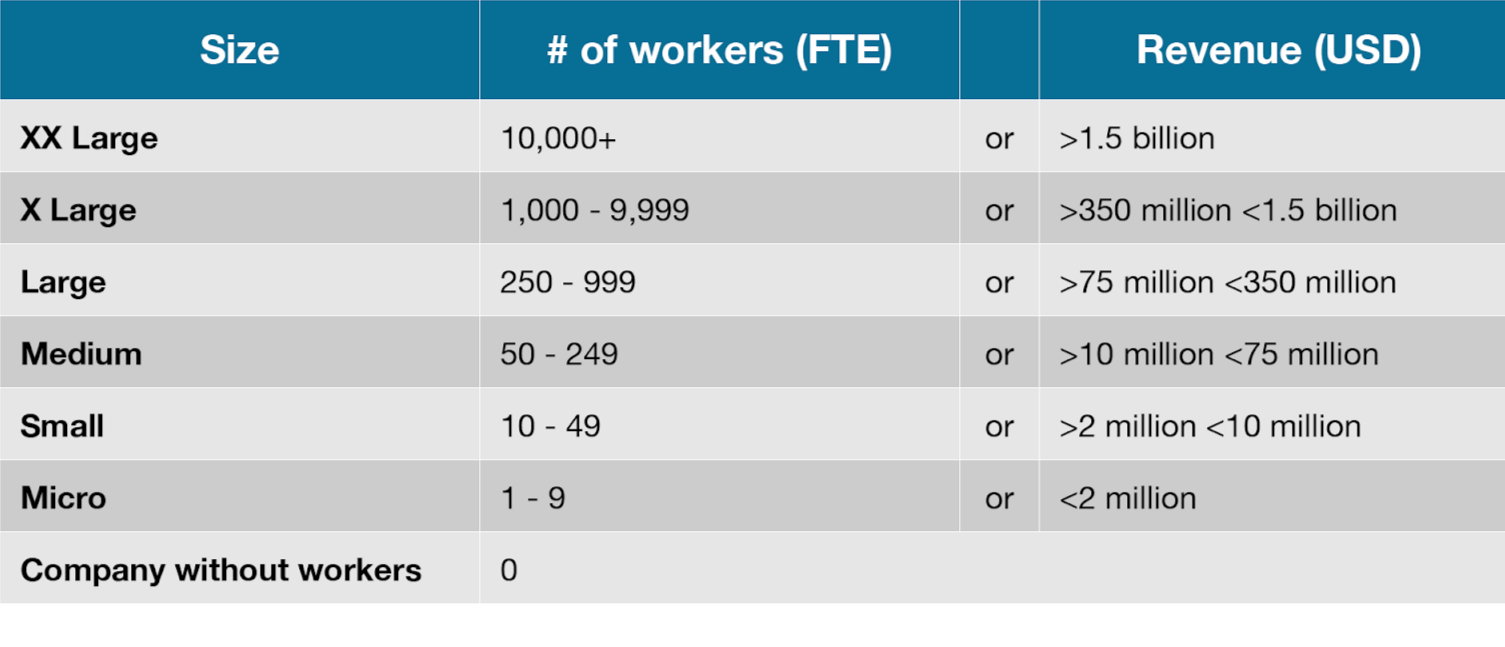
The new standards introduce new company size thresholds with very large companies required to demonstrate far more than smaller companies to achieve B Corp certification.
There has been some fear (but also hope) that these new standards will make B Corp certification much harder to achieve, and I think this will be the case for larger businesses. However, I think they have landed in a nice sweet spot for SMEs where businesses are, for the most part, required to focus on what’s most material to them with the resources they have available. A medium-sized retailer we have been working with recently even noted that the requirements were far less burdensome than they were anticipating.
For businesses in the large categories, moving to the new standard will likely be significantly harder and a big step up. We’re talking about businesses doing the following (amongst other things) over a 5-year phase-in period:
Setting a net-zero target validated by the Science Based Targets initiative or other independent third-party;
Developing and approving a climate transition plan, and making demonstrable progress towards it;
Developing and approving a biodiversity transition plan, and making demonstrable progress towards it (some industries only);
Setting executive-level social and environmental performance targets with incentives integrated (if a remuneration scheme exists);
Undertaking human rights due diligence to varying degrees depending on industry.
In the New Zealand context, the net-zero target alone would put our large B Corps up there in the leading category of corporate sustainability. Currently, there are only 6 companies registered in New Zealand with a net-zero target validated by the SBTi (Genesis, Meridian, Bluecurrent, BDO, 2degrees, and 3KM Technology), making this recognition quite rare. Similarly, comprehensive and public transition plans are also hard to come by, with large listed entities and banks having only been required to report on this from this year.
All of this has raised the question: what could the new B Corp landscape mean for sustainability leadership in New Zealand?
In my view, the new standards do signal a new era as they have intended - one where box ticking (or point counting) is no longer enough, and where leadership will increasingly be defined by a company's ability to demonstrate credible and verified action on the stuff that matters. The gap between those who simply talk about sustainability sometimes and those who embed sustainability into strategy, systems, and processes will only get wider.
For New Zealand SMEs, the new standards continue to present an opportunity to cement sustainability and purpose as a competitive advantage. They reward genuine focus and progress on material issues relevant to each industry and business, which many New Zealand companies are already well positioned to achieve.
For larger organisations, B Corp will no longer be a badge, but a strategic commitment to continuous action. Achieving the new requirements will require genuine commitment and investment and will demand cross-functional involvement and robust governance. This is a level of maturity that many New Zealand businesses are only just beginning to build, and mostly out of compliance. And this where the opportunity might lie.
Larger B Corps will naturally position themselves at the leading edge of corporate sustainability in New Zealand as they meet the requirements of the new standards. They'll help normalise and mobilise science-based climate action, credible transition plans, strong governance and oversight, and the integration of social and environmental outcomes into strategic decision-making. They'll influence and collaborate with their suppliers, raise expectations, and set the new bar over the next decade.
Ultimately, the new B Corp standards feel like a timely reset in a world that feels very much in flux! Whether you're a small, medium or large enterprise, the new framework offers a clear pathway to leadership. If embraced, it has the potential not only to elevate individual companies, but to shift the benchmark for what credible, purpose-led business looks like in Aotearoa for years to come and that's an exciting thought.